The best-designed range still has to arrive on time, in full and on budget. For outdoor furniture, which is seasonal and bulky, the logistics behind a program matter as much as the product itself. Getting containers, lead times and consolidation right is what turns a good catalogue into a profitable season.
The fundamentals are straightforward once you plan backward from the date stock needs to hit the floor.
Lead times and the seasonal clock
Outdoor furniture sells in a window, so the calendar is unforgiving. Between design sign-off, production, quality assurance and ocean freight, a program needs months of runway. Buyers who lock ranges early and build in a buffer avoid the scramble of air freight or empty shelves in peak season.
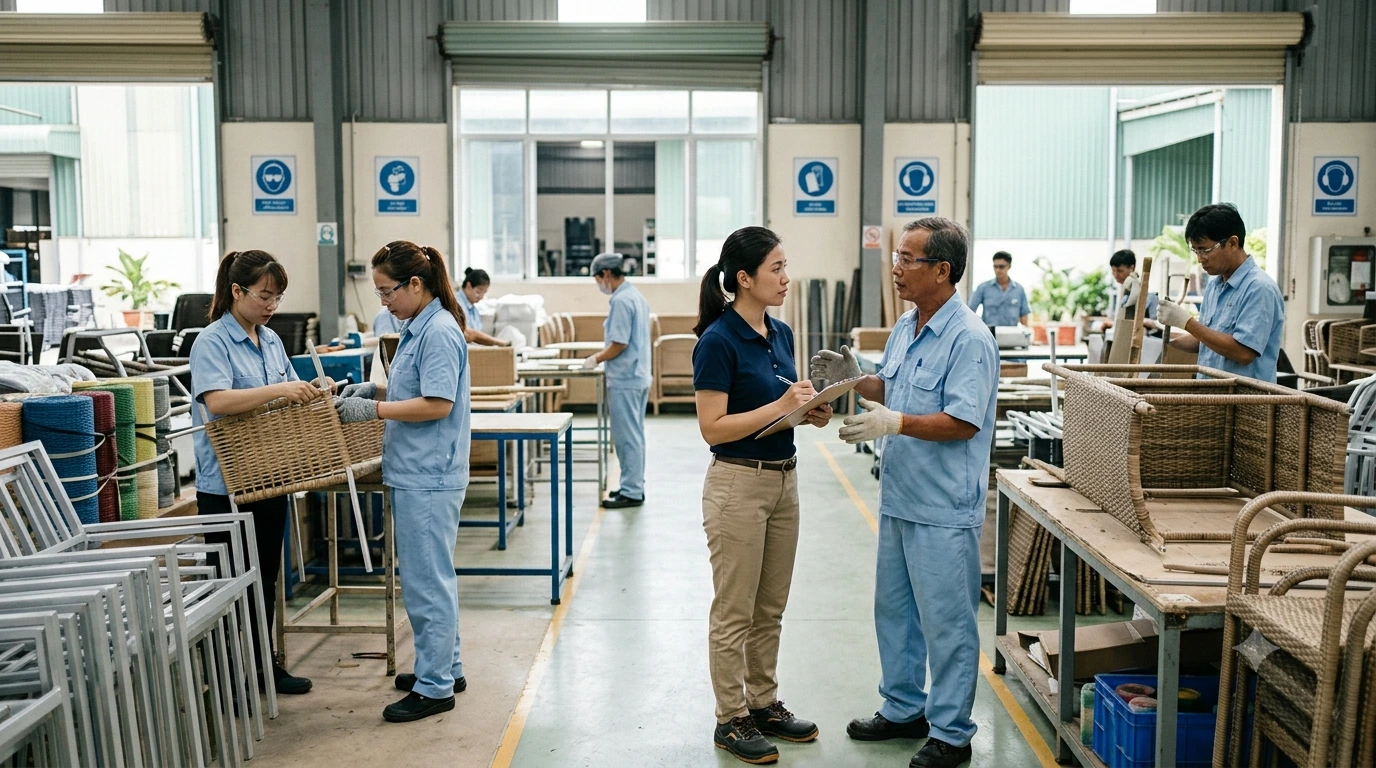
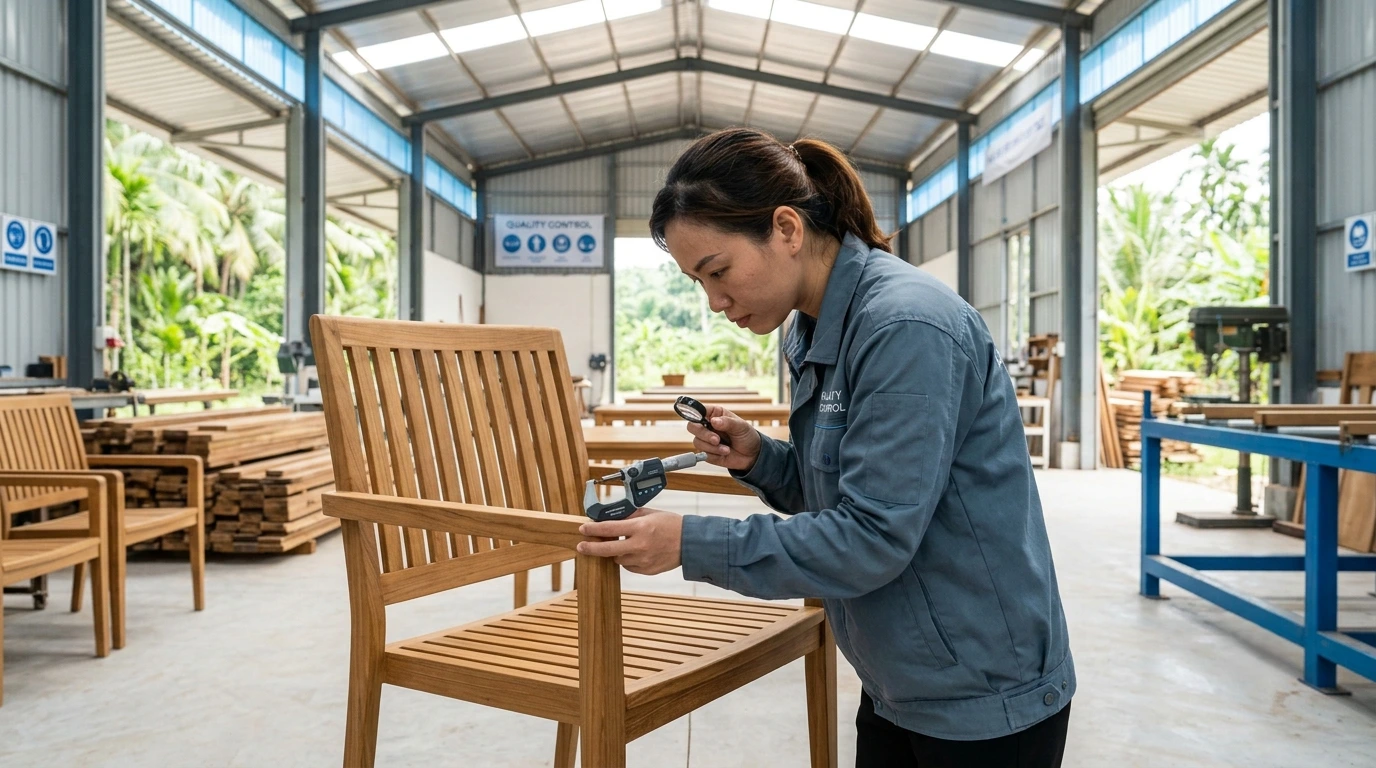
A supplier who develops in-house and manufactures with their own oversight can compress that timeline, because design changes and quality issues are resolved without bouncing between separate factories.
Mixed containers and consolidation
Few buyers want a full container of a single item. Mixed containers let you balance hero pieces with volume sellers and spread risk across a range, which is essential for managing cash and floor space. The flexibility to mix is one of the most useful things a manufacturer can offer.
Consolidation matters too. When one partner can gather product, run quality assurance, handle documentation and load a balanced container, you get a cleaner landed cost and far less paperwork than coordinating several factories yourself.
Common mistakes that cost a season
The same avoidable errors surface every year. Locking the range too late is the biggest: every week lost at sign-off is a week taken from production or QA, and it is usually QA that gets squeezed. Booking freight on best-case transit times is another; one missed vessel can turn a March floor set into a May one. And skipping the pre-shipment inspection to save a few hundred dollars has cost more buyers a season than any other single decision.
Packaging deserves more attention than it gets. Outdoor furniture is bulky and travels far, and carton design decides whether it arrives sellable. Ask how cartons are tested, what the stacking limits are, and whether assembly hardware is packed to survive handling.
Finally, treat the container plan as part of range planning, not an afterthought. Cube utilisation, carton sizes and mix ratios decide your real landed cost per piece far more than a few percent on the FOB price.
How we ship
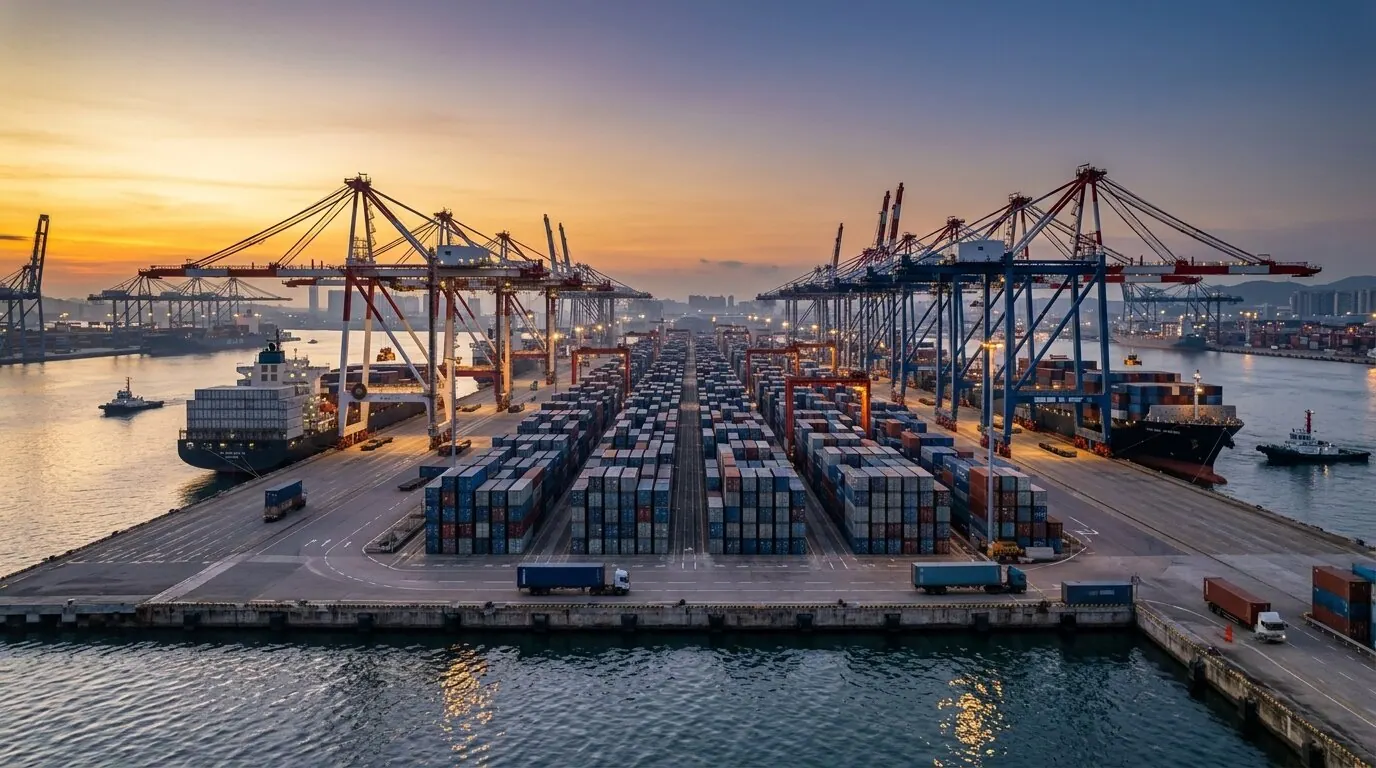
Gardenline ships around 4,000 containers a year to 65 countries, with mixed containers and consolidation arranged to suit each partner's program. Our China office handles QA, shipping coordination and consolidation, with local warehousing close to production.
Planning your next season? Request the catalogue and tell us about your volumes, and we will map out how a program could work.