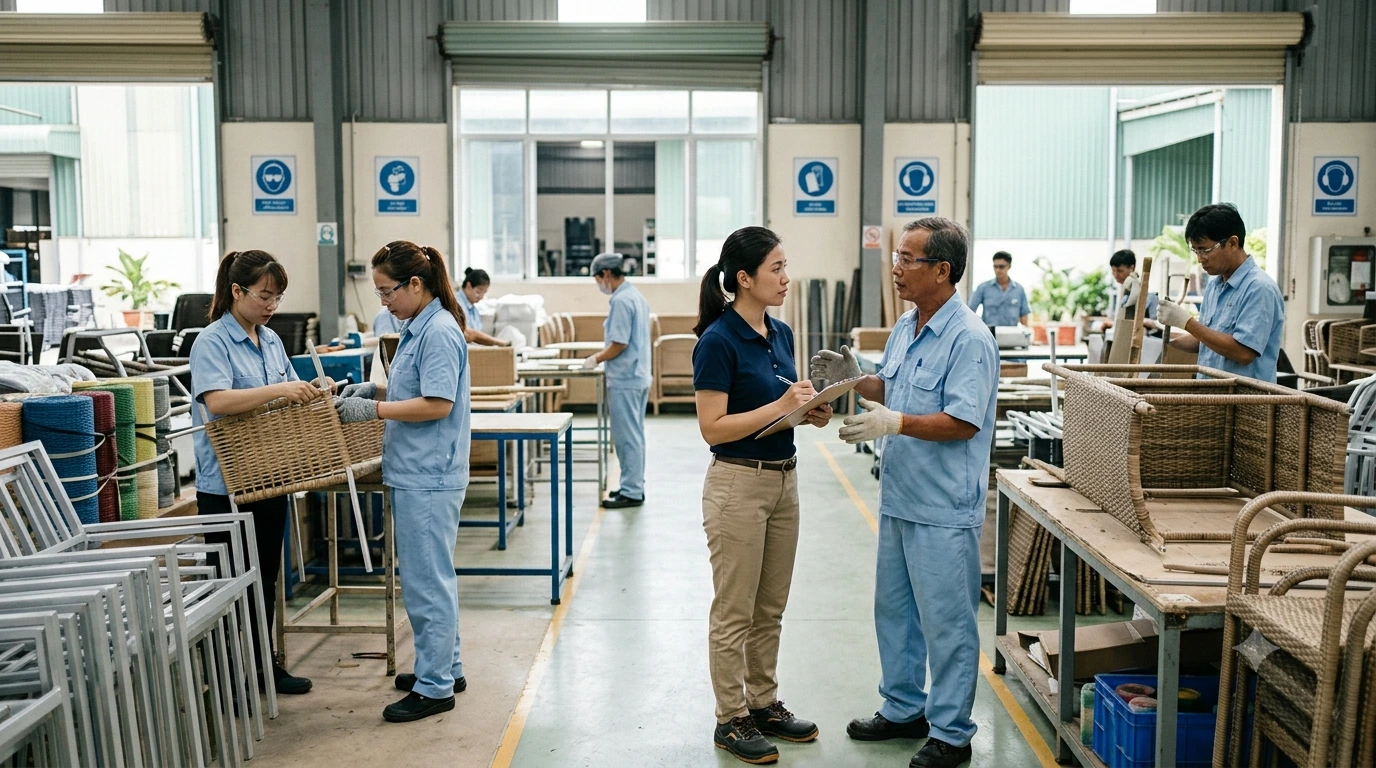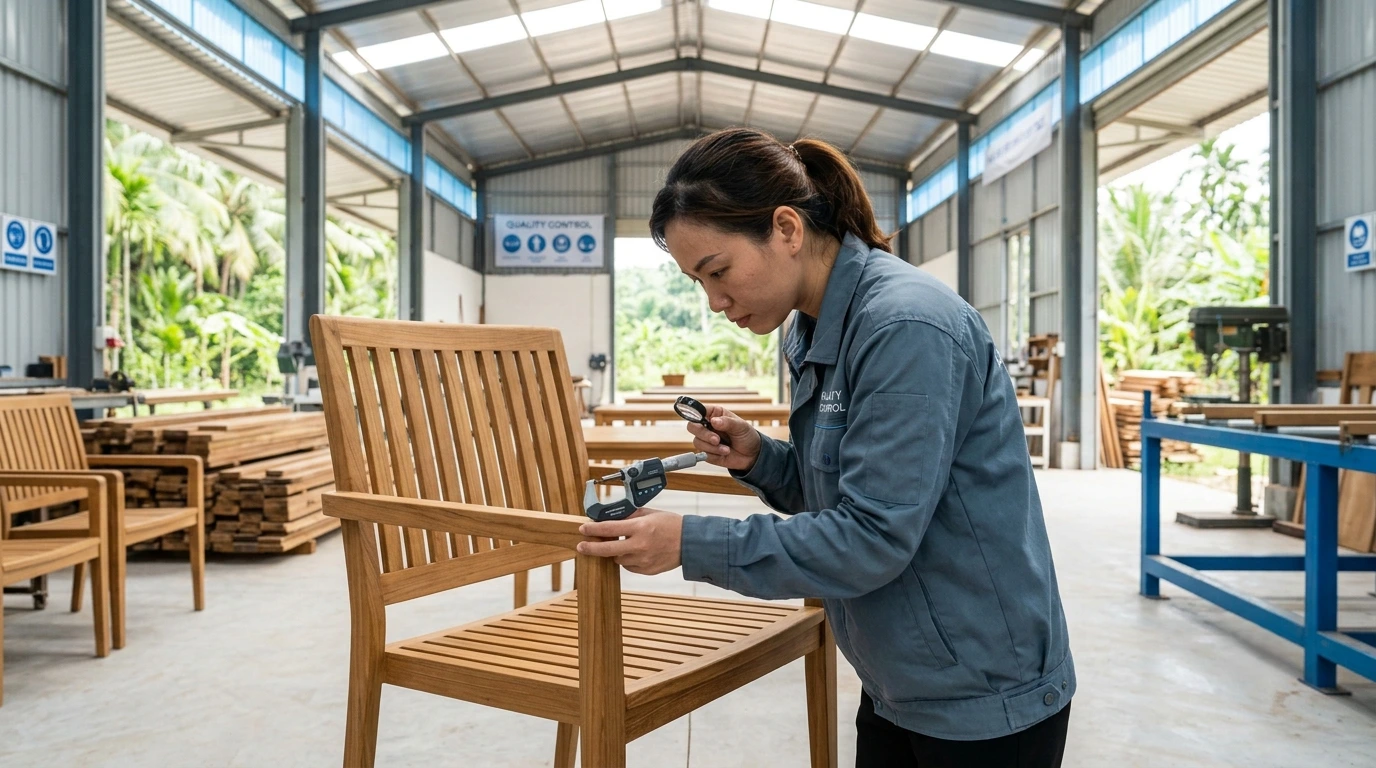

Sustainability is one of the most used and least defined words in furniture. For buyers under pressure to back up claims, the useful question is not whether a product is marketed as green, but what specifically makes it so. A few things genuinely count, and they are all things you can verify.
Start with materials, add durability, and insist on evidence. That simple framework filters real progress from greenwash.
Certified, traceable materials
For timber, FSC® certification and a traceable, documented supply chain are the foundation. They show the wood came from responsibly managed forests and can be followed step by step. For metals and synthetics, ask about recycled content and whether the manufacturing meets recognised social and environmental standards.
A credible supplier can produce certificates and chain-of-custody documentation on request. If the paperwork is vague, the claim is too.
Durability is sustainability
The most sustainable furniture is the furniture that lasts. A well-built piece that survives a decade of seasons saves far more resources than a cheaper one replaced every couple of years. Durable joinery, rustproof hardware, weather-stable finishes and quick-dry cushions are environmental features as much as quality features.
Repairability helps too. Cushions and fabrics that can be replaced extend the life of a frame rather than sending the whole piece to landfill.
The questions worth asking a supplier
A short list separates substance from marketing. Can you show a current FSC® chain-of-custody certificate that covers this product? What share of the range is certified, and what is the plan for the rest? What social-compliance audits cover the factories, and when were they last done? How is packaging being reduced or shifted to recyclable materials? And what is the expected service life of this piece, backed by what testing?
None of these questions require a sustainability department to ask, and together they take ten minutes in a meeting. The pattern of answers matters more than any single one: a supplier who is comfortable across all five has built responsibility into the operation rather than the brochure.
For retailers building their own reporting, those answers also become your evidence trail. Claims you can document are claims you can defend, to customers and to regulators alike.
Our approach
Gardenline timber comes through an FSC®-certified, traceable supply chain, and we build for years of outdoor use. Our certifications row is designed to grow as further standards are confirmed across our suppliers.
If sustainability is central to your range, request the catalogue and we will share the detail behind each category.