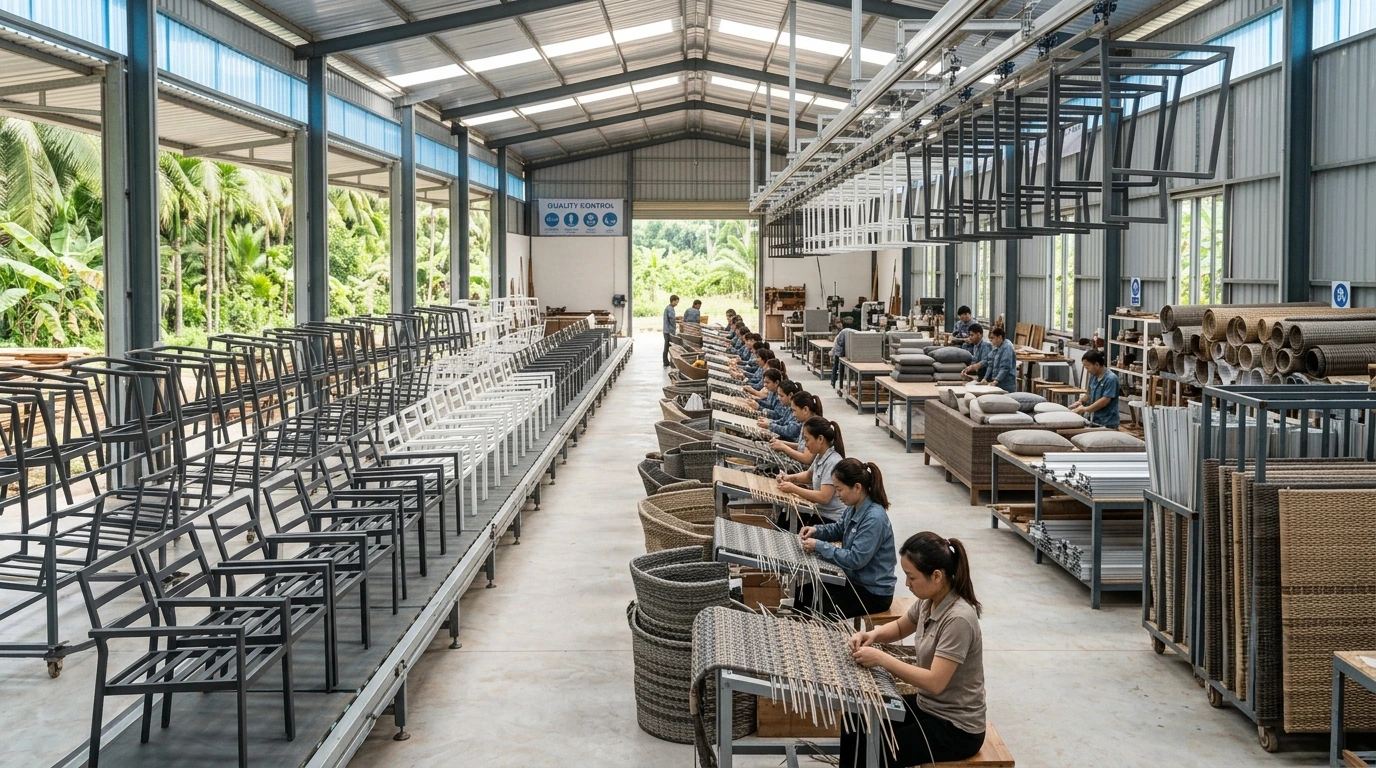
Ask a retail buyer what keeps their compliance team awake and social auditing will be near the top of the list. Outdoor furniture is a labour-intensive category, made in factories across Asia, and retailers are increasingly expected to show that the people who built the product were treated properly.
BSCI, run by the Brussels-based business association amfori, is the framework most European buyers meet first. Here is what it covers, what an audit really tells you, and how to use it when you assess a supplier.
What BSCI actually covers
The amfori BSCI Code of Conduct sets out principles that a participating factory agrees to work towards. They include fair remuneration, decent working hours, occupational health and safety, no child or forced labour, freedom of association, no discrimination, and protection of the environment.
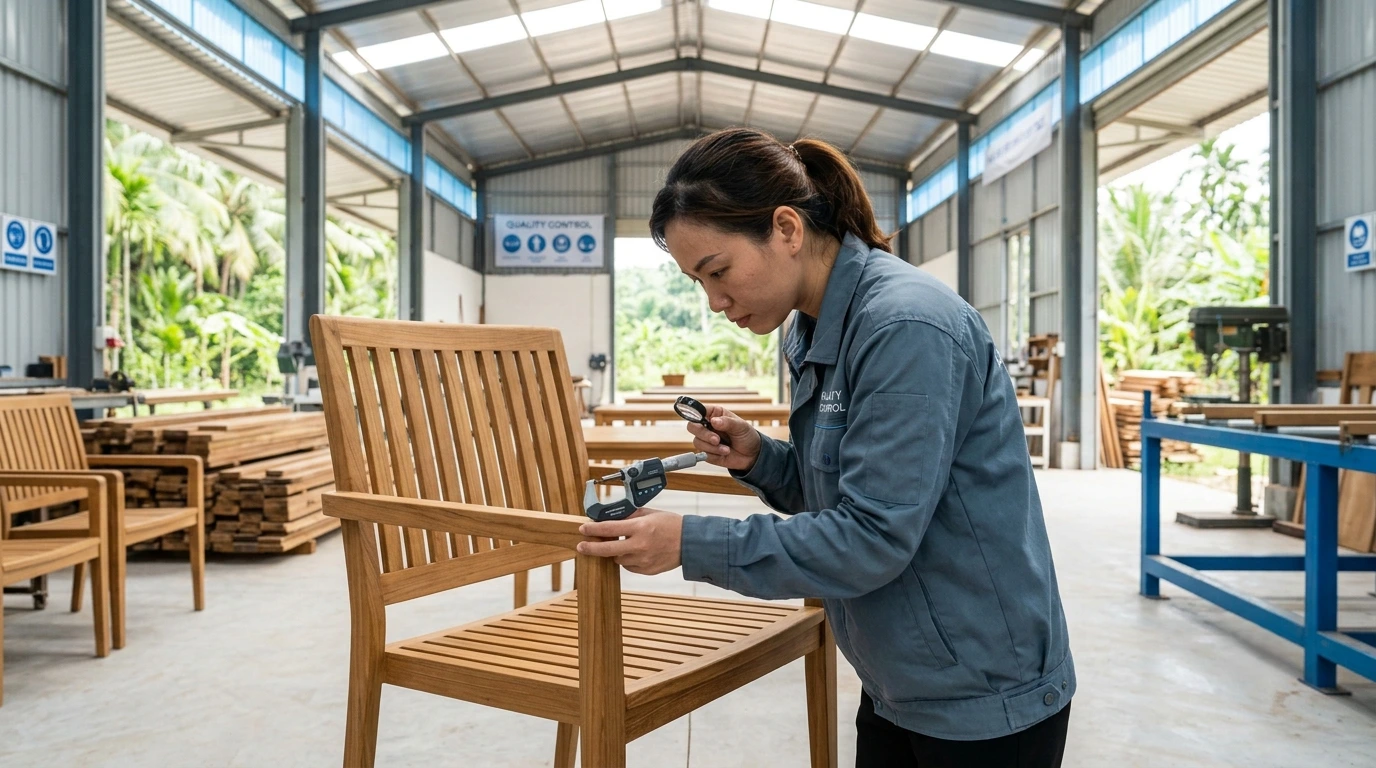
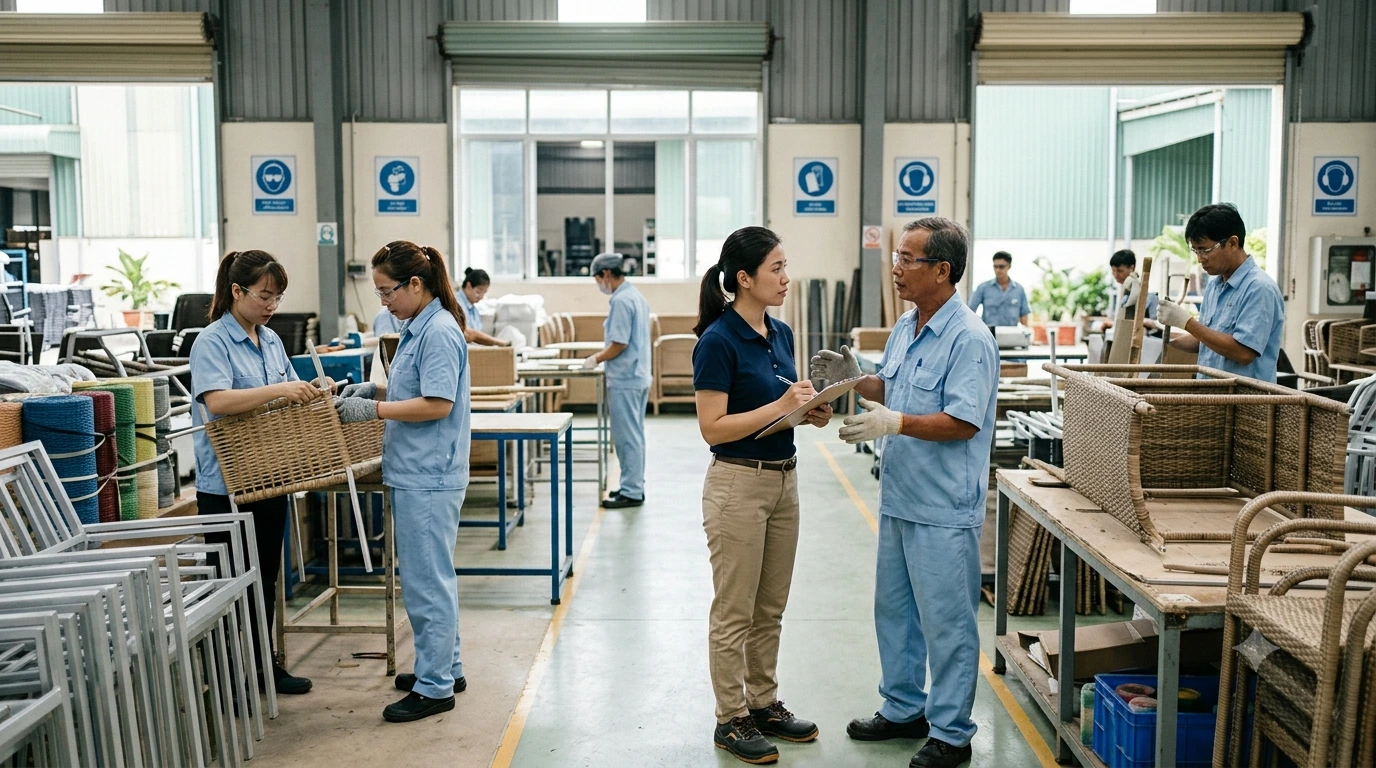
An audit is carried out on site by an independent auditing firm. Auditors interview workers, inspect the factory, and check documentation such as payroll records, working-time logs and safety certificates. The result is a graded report, not a simple pass or fail.
How to read an audit report
This is where most buyers stop too early. A supplier saying they are BSCI audited tells you very little on its own. Three things tell you much more.
First, the date. Audits expire, and a report from three years ago says nothing about the factory today. Second, the rating. amfori grades results from A down to E, and a C or below means real findings were raised. Third, and most important, the corrective-action plan: what was found, what was committed to, and whether the follow-up audit shows it was fixed.
A supplier who volunteers all three, including the uncomfortable parts, is usually more trustworthy than one who sends a clean certificate and nothing else. Continuous improvement is the point of the framework; a factory that has never had a finding has probably never been looked at closely.
BSCI is not a product certification
A common misunderstanding is worth clearing up. BSCI audits a facility, not a product. There is no BSCI label to put on a chair, and no chain-of-custody claim to make on packaging in the way FSC® works for timber.
That matters for how you use it. BSCI belongs in your supplier due diligence and your own sustainability reporting, not on a swing ticket. Mixing the two up creates claims you cannot defend.
Where Gardenline stands
Social compliance sits alongside FSC® in our certifications row, and our teams are on the ground in Vietnam and China where the furniture is made rather than at arm's length through a trading company. That proximity is what makes oversight real rather than paper-based.
If social compliance is part of your supplier assessment, contact us and we will walk you through our current audit position and the factories behind each category.